The New Reality: Partner, Not Proxy
Recent studies from CHI 2025 involving professional designers have codified the shift. We are moving from simple prompts to complex, nonlinear collaboration. In high-performing product teams, AI has graduated to four specific roles:
The Synthesizer: Compressing vast user research and disparate data points into actionable insights.
The Spark: Kick-starting creativity to overcome the "blank canvas" paralysis.
The Multiplier: Generating massive variance in design alternatives (divergent thinking).
The Shapeshifter: Altering prototype fidelity instantly to elicit specific types of feedback.
The Insight: Designers don't want a button that says "Make UI." They want a sparring partner. They prefer visual, hands-on control over pure prompting. The goal isn't to remove the human; it's to free the human to focus on framing, judgment, and strategy.
What this means for your team:
Treat AI as an amplifier. You own the framing; AI owns the grunt work of exploration.
Demand "Token-Awareness." Your AI should speak your Design System (colors, type, spacing), not just generic CSS.
Artifacts over Chat. Move away from ephemeral chat windows. Build collaborative surfaces where AI outputs can be critiqued, versioned, and diffed just like any other design asset.
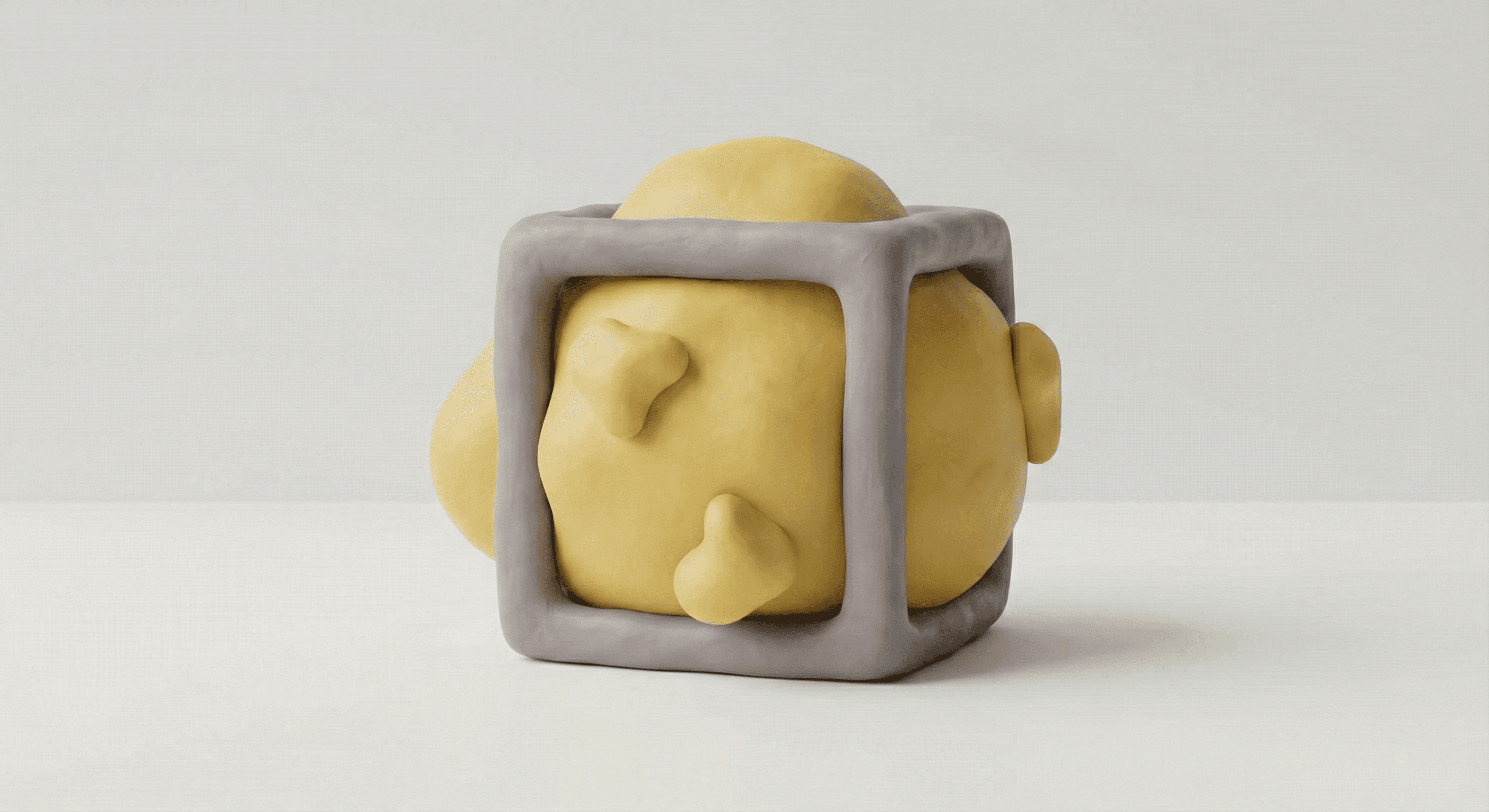
The Trap: When AI Kills Creativity
There is a dangerous downside to co-creation: Design Fixation.
A controlled experiment (N=60, Paper Guilds) revealed that while AI increases speed, it can decrease originality. When teams lean too heavily on the first batch of AI generations, they suffer from "anchoring bias"—chasing the first passable idea rather than exploring the best one.
The Upside (Variance):
Properly tuned systems expand the "option space." They push teams out of their ruts during moodboarding and layout exploration. Tools built for reference recombination show measurable gains in ideation breadth.
The Downside (The Vanilla Loop):
Naïve co-ideation narrows creativity. If you don't use wildcard prompting or force constraints, AI regresses to the mean, giving you the average of the internet rather than a breakthrough product.
The Solution:
Nonlinear Workflows: Don't use a simple "Prompt $\to$ Output" loop. Iterate. Branch. Merge.
Transparent Scoring: Use automated, multimodal scoring to quantify variety. If the AI suggests 10 ideas and they all look the same, the process is broken.
Responsible UX: Explanation is not a luxury; it’s a requirement. We need "Why this?" affordances that explain the source data behind a suggestion.
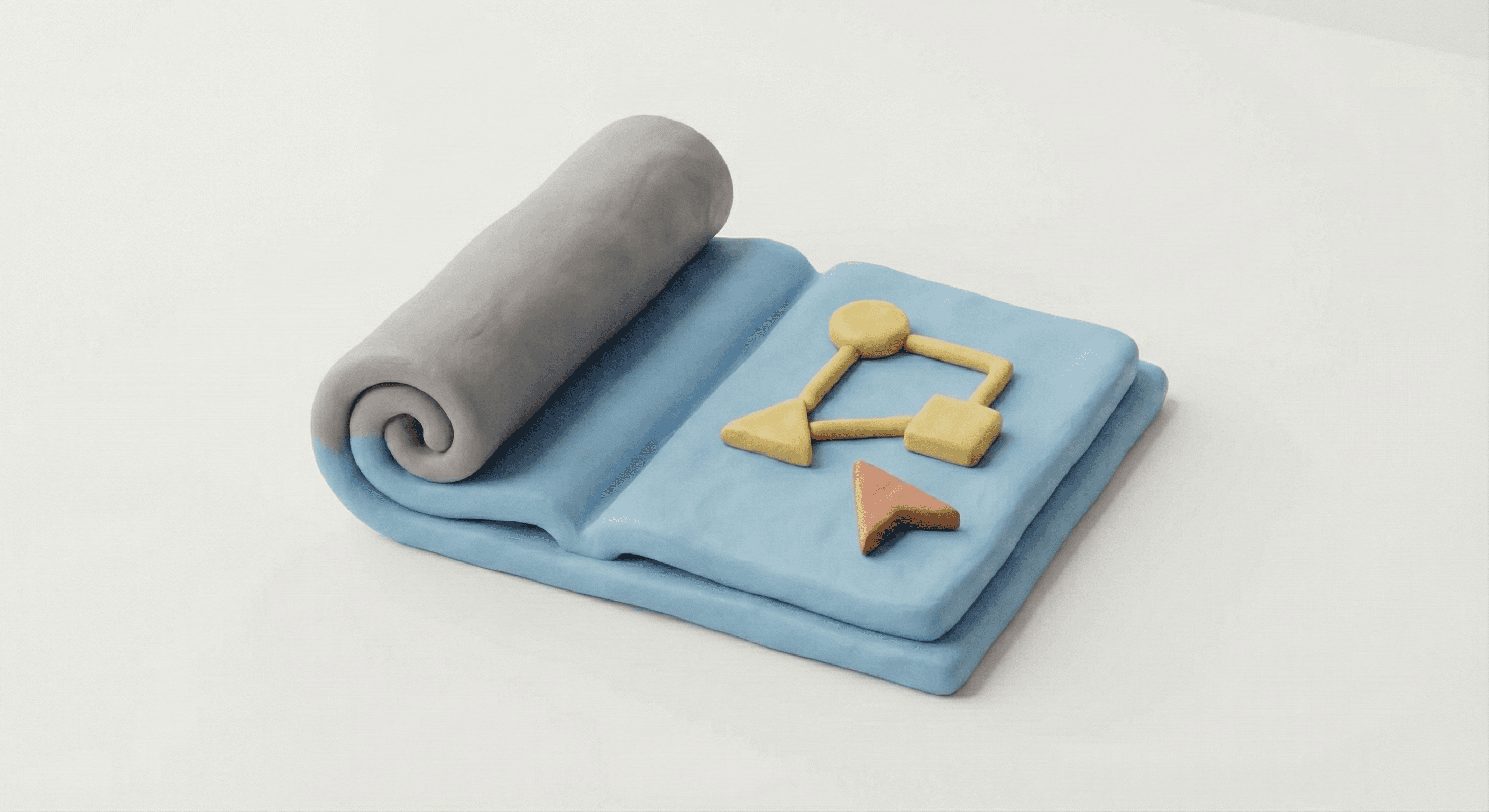
The 2026 Playbook: A Strategic Blueprint
How do you move from theory to operations? You need to audit your workflow and harden your infrastructure.
Phase A: The Workflow Audit
Map your Double-Diamond process. Stop automating high-stakes decisions (Final UX Copy, Critical Interaction Flows). Start automating the "messy middle":
Research Synthesis: $\to$ Automate.
Variant Generation: $\to$ Augment.
Final Sign-off: $\to$ Human Only.
Phase B: The Toolchain (The "Hard" Skills)
You cannot rely on out-of-the-box LLMs. You need a custom stack:
RAG (Retrieval-Augmented Generation): Connect your LLM to your proprietary research and brand guidelines.
Token-Aware Generation: Ensure outputs respect your WCAG 2.2 accessibility rules and design tokens.
Figma AI & MCP: Use the Model Context Protocol to connect canonical design data directly into your workflow.
Phase C: Governance & KPIs
If you can't measure it, you can't manage it. Move beyond "vibes" and track:
Time-to-First-Prototype: Speed of initial visualization.
Variance Per Hour: Are we exploring enough options?
Creativity Health: Using A/B or bandit testing to ensure AI-assisted designs perform better, not just faster.
The Bottom Line
In 2025, the best designers won't be the ones who can draw the best UI by hand. They will be the ones who can orchestrate the most powerful co-creation engines.
Design accordingly.

