
The Death of the "Thin Wrapper" and the Revenue Mirage
The current AI boom is underpinned by a "circular economy" where hyperscalers invest in startups that immediately spend that capital on cloud compute, creating a "revenue mirage". For product strategists, the danger lies in the inevitable correction. If your product is a "thin wrapper"—a UI layered over a standard API like GPT-4—you are an endangered species.
These products face Feature Subsumption: foundational model providers are aggressively moving up the stack, integrating features like "Chat with PDF" directly into their enterprise offerings, rendering standalone wrappers obsolete overnight. Furthermore, wrappers face Unit Economic Compression because they buy intelligence at retail prices (API tokens) and cannot control their margins as competition drives subscription prices down. The design pivot required here is toward Vertical SaaS, where proprietary data creates a defensive moat and AI is merely an engine, not the entire product.
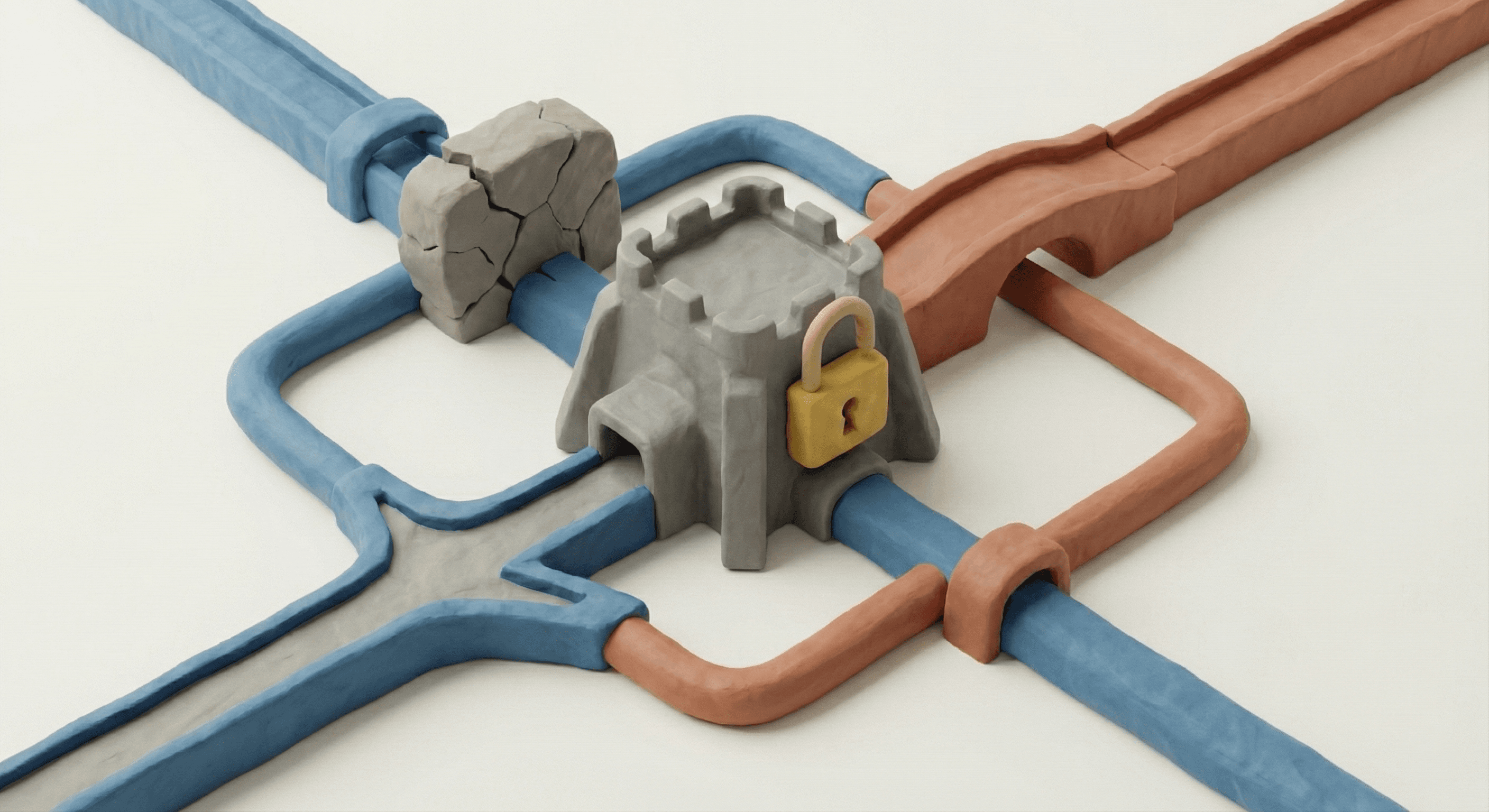
Architectural Resilience: The "Model Router" and Open Source
In the post-bubble era, relying on a single vendor (like OpenAI) is a critical point of failure due to the risk of price hikes or insolvency. To survive, we must advocate for a "Model Router" architecture—a middleware layer that dynamically selects the best model for the task. This allows for Hot-Swapping: if a primary vendor fails, the system instantly redirects to a backup without breaking the user experience.
Simultaneously, the bubble burst will act as a catalyst for Open Source AI, driven by the need for cost control and data sovereignty. By deploying open-weight models like LLaMA inside a client's firewall, we can address the "black box" privacy concerns that plague proprietary APIs, ensuring sensitive data never leaves the enterprise's control. This shift turns privacy from a compliance hurdle into a competitive advantage.

Governance as a Feature: Entering the Deployment Phase
As the hype fades, the regulatory environment will tighten, with frameworks like the EU AI Act imposing heavy burdens on "systemic risk" models. Product design must evolve from "magic buttons" to "Human-in-the-Loop" workflows, especially for high-stakes decisions in hiring or lending. This is no longer just ethical design; it is a survival strategy to mitigate liability.
The bursting of the bubble is not the end; it marks the transition from the "Installation Phase" to the "Deployment Phase". Just as the dot-com crash left behind the cheap fiber optic infrastructure that enabled the modern internet, the AI crash will leave behind a massive, commoditized compute grid. The real opportunity for designers begins now: building utility on top of cheap, abundant intelligence. Safety is not avoiding AI; it is building architectural redundancy and rigorous governance.

