The Logic of the Canvas
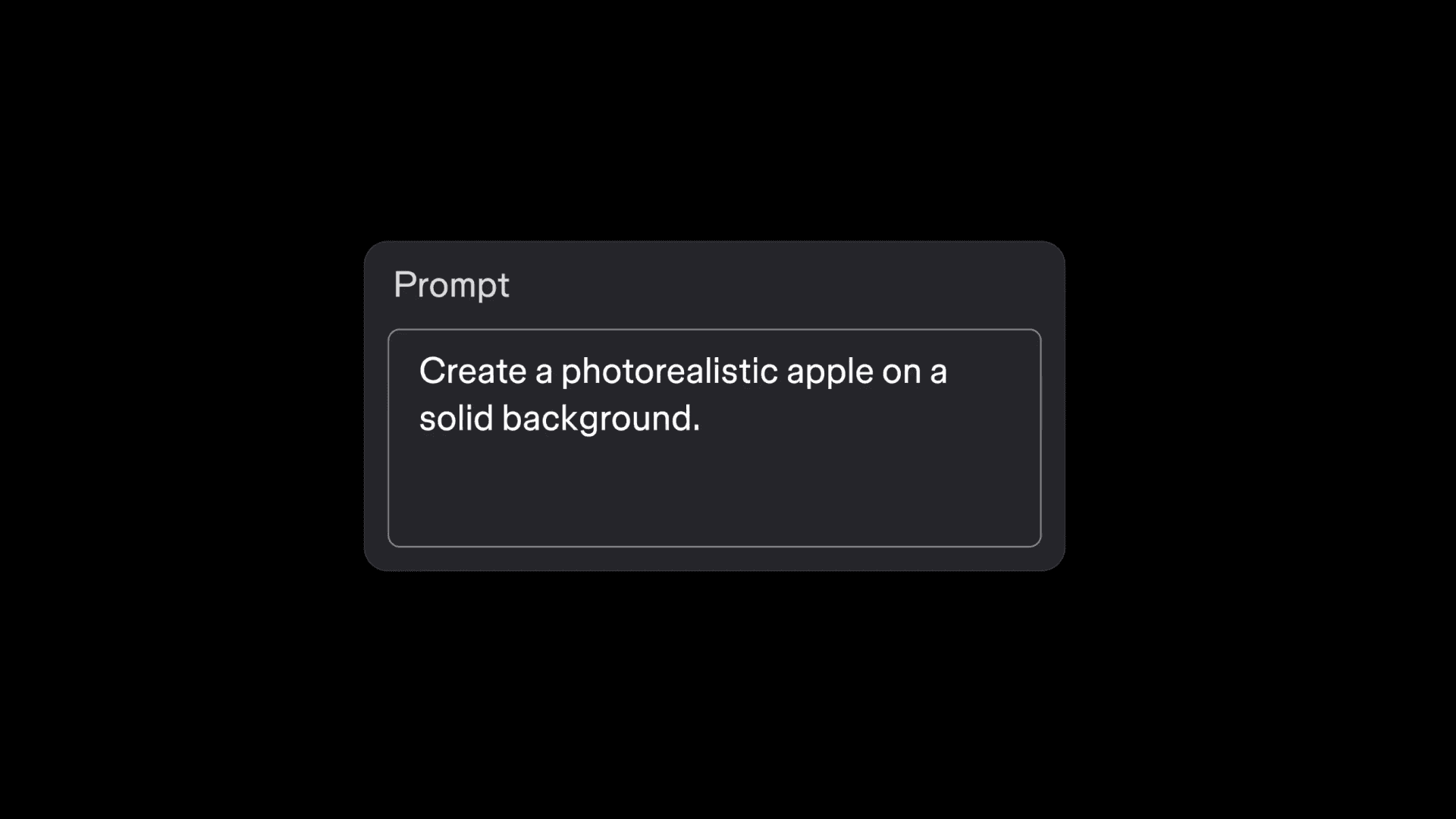
For the past three years, designers treated AI like a digital slot machine. You typed a prompt, pulled the lever, and prayed for a usable asset. Figma Weave dismantles this casino approach entirely. By integrating Weavy’s node-based architecture directly into the Figma canvas, the platform shifts AI generation from blind iteration to deterministic visual programming. You are no longer just asking for an image. You are engineering a pipeline. Node graphs allow you to pipe structural boundaries from a wireframe into a ControlNet node, feed contextual copy from an LLM node, and render a high-fidelity component in real time. This means predictability. The canvas becomes a living system where logic and creativity operate simultaneously. If a generated element fails, you do not scrap the whole output. You simply debug the node chain, tweak a specific weight, and re-render.
Multi-Model Routing and Scalability
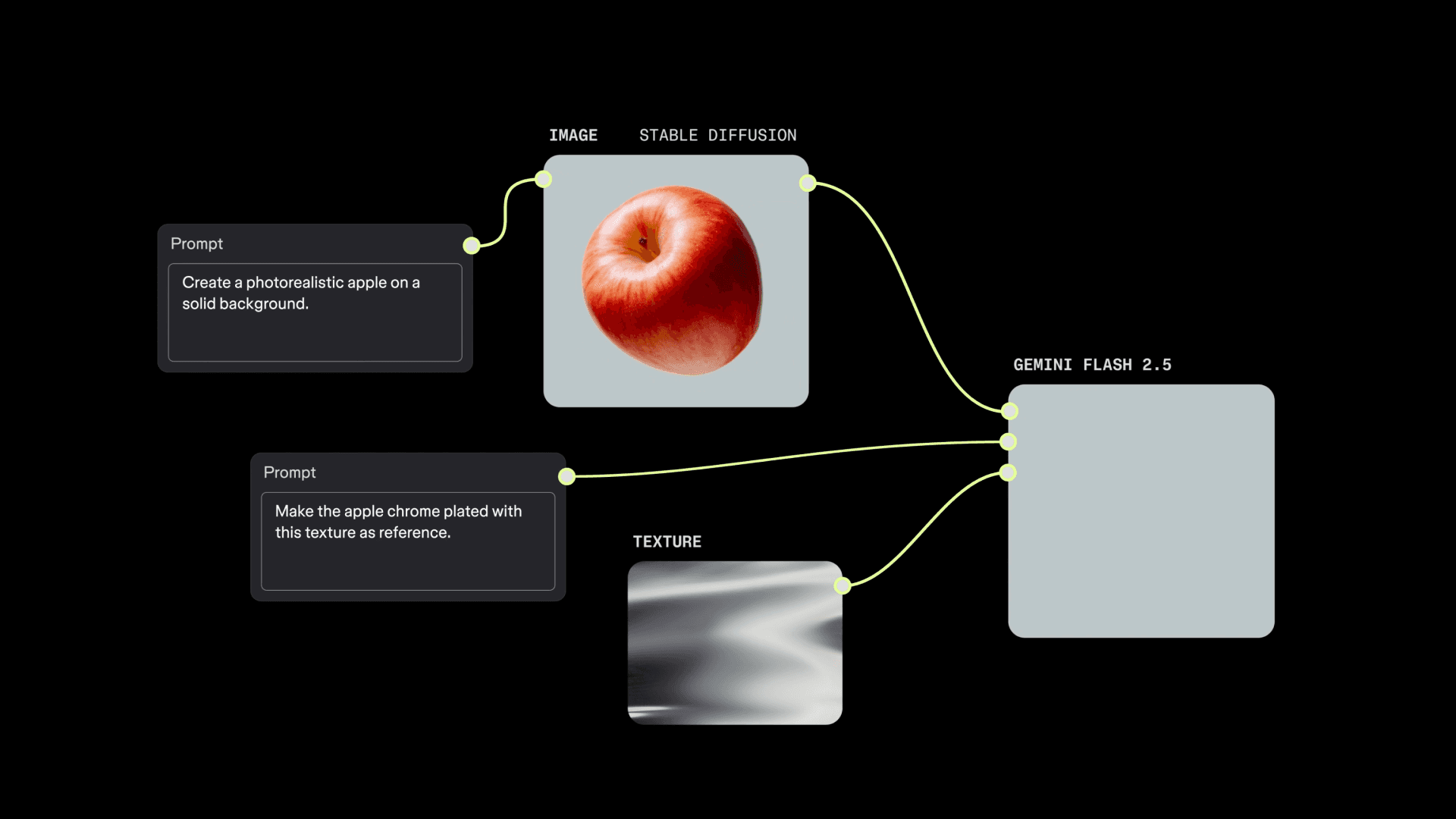
No single AI model is best in class for everything. Relying solely on one vendor is a fundamental workflow error. The true power of Figma Weave lies in its multi-model routing capabilities. It acts as an agnostic orchestrator. You can route conceptual text through a reasoning model, send the output to a diffusion model for pixel generation, and funnel that result through a motion engine to create an interactive micro-interaction. All of this happens without leaving the Figma ecosystem. This modularity solves the scaling problem that previously crippled AI design workflows. When a better video generation model releases next week, you do not need to overhaul your entire process. You simply swap the old node for the new one. Teams can build proprietary logic templates, standardizing how AI interprets their brand guidelines across hundreds of screens simultaneously.
The Architect Time
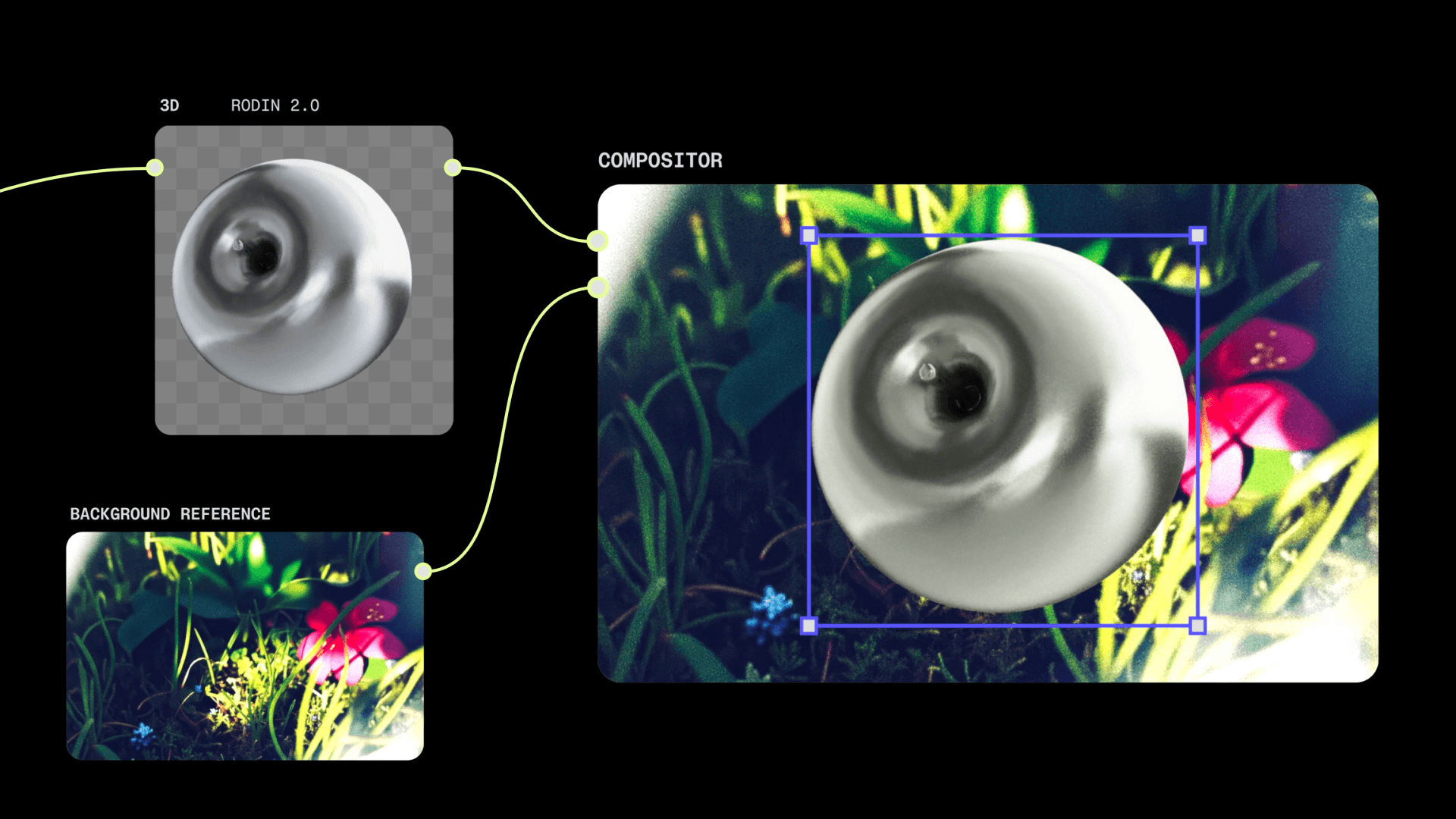
We are moving past the era of the pixel pusher. The future belongs to the system architect. Mastery now requires understanding how models interact, how data flows through a visual pipeline, and how to constrain generative outputs to meet strict UI patterns. Figma Weave forces us to think sequentially about generation rather than hoping for a lucky one-shot output. The tool does not replace the designer. It demands a more rigorous, technical, and strategic designer. Those who adapt to building node-based logic will scale their output exponentially. Those who cling to the prompt box will be left behind.

