§ 01 · Overview
REVER's return flow had a critical drop-off: 38% of shoppers abandoned mid-process. I led the shopper-side redesign to fix that one problem. I left the rest alone and worked on the exact steps where people quit. This case study covers how I identified the friction, designed targeted solutions, and improved return completion, trust, and exchange conversions in the first 6 weeks after launch.
§ 02 · Goals
Pinpoint the abandonment triggers
Use session replays, analytics, and interviews to locate where and why users were quitting instead of guessing.Design lean, targeted fixes
Focus only on the friction points: reason selection, refund clarity, and trust gaps. No bloated redesigns, just surgical UX changes that move the needle.Prove impact within 6 weeks
Launch fast, measure hard. Success was defined by a higher completion rate, lower return duration, improved NPS, and increased exchange conversions.
§ 03 · My role
Led UX redesign of REVER's return flow. Identified key drop-off points, crafted shopper-first solutions, and raised completion by 30 points within 6 weeks of launch.
§ 04 · Team
1 Product Manager, 2 Engineers. Support and CX teams provided ongoing insights. I led design; dev handled implementation.
§ 05 · Problem
Problem
REVER had strong early traction in the e-commerce returns space, but internal data revealed a clear bottleneck:
Shoppers were abandoning returns mid-flow (38% dropout, 61% completion rate plateau)
Root causes included:
Confusing UX at reason selection and refund method steps
Trust issues due to REVER-branded experience feeling like a third-party layer
Refund speed, a key selling point, was buried or unclear
This case study focuses on solving that specific shopper-side problem, rather than tackling the entire product. I led the shopper flow redesign, collaborating with 1 PM and 2 engineers, with parallel feedback loops from support and CX.
§ 06 · Research
Research
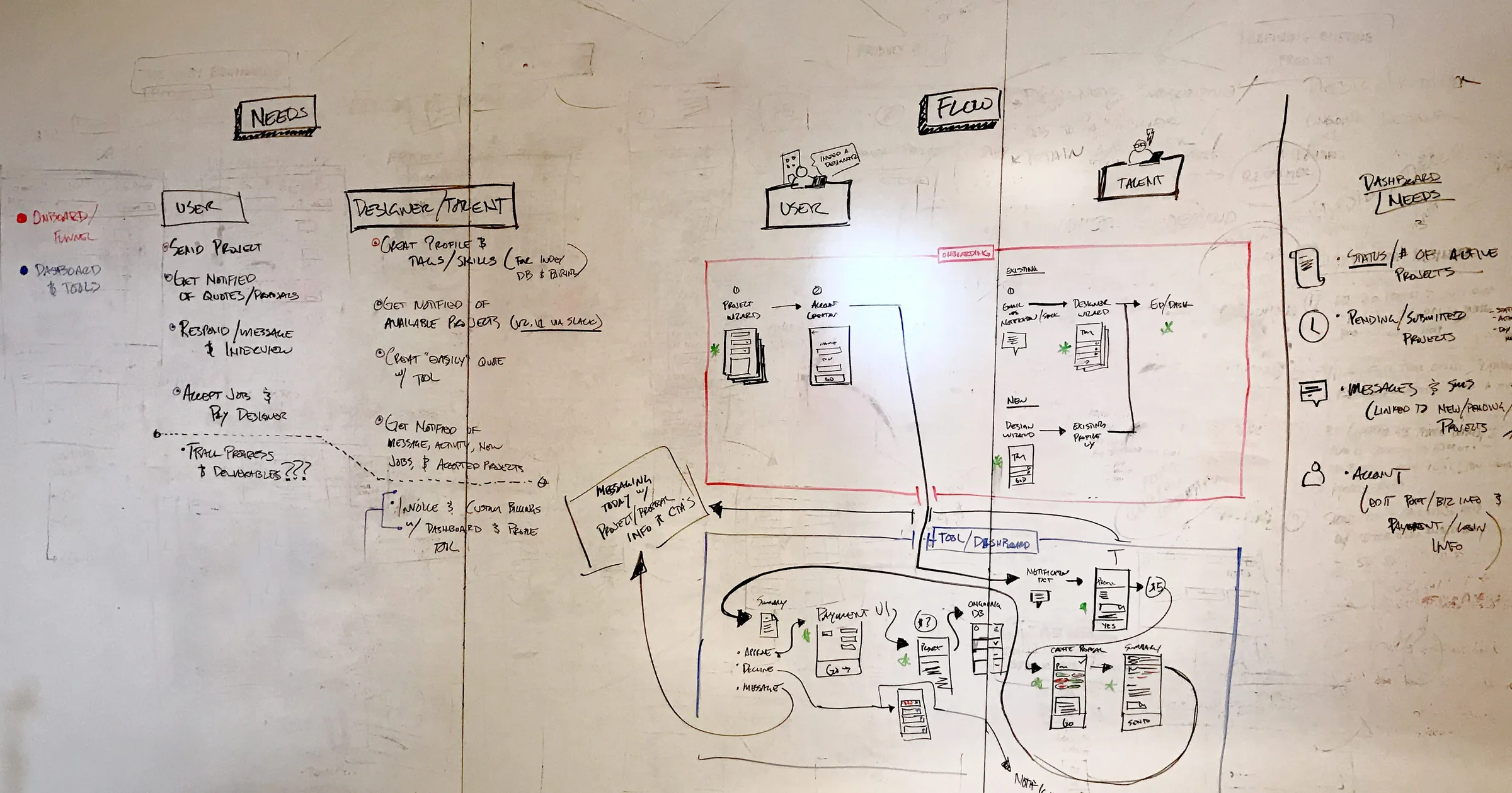
I focused on uncovering why shoppers dropped off mid-flow and how to rebuild trust during the return experience.
Methods selected for this goal:
Session Replays (FullStory / Hotjar)
Analyzed 40,000+ return sessions. Found consistent drop-off at:
Step 2: Reason selection
Step 3: Refund method
Most common behavior: shoppers backed out when refund timing was unclear.
Customer Interviews (15 shoppers, 6 merchants)
Key insights:
Shoppers didn't realize returns were instant
REVER branding caused skepticism and felt like a third-party risk
Stepper-style flow made the process feel long and frustrating
Event Analytics (PostHog)
Shoppers who saw an estimated refund time were 3.1× more likely to complete their return.
Design priorities shaped by research:
Reduce cognitive load during the process
Surface refund speed as early and clearly as possible
Rebuild trust at key friction points in the flow
I mapped four personas from interviews, analytics and behavior data. Each one returns things differently. Some first-timers just want speed, and some cautious buyers worry about security. Each persona drove specific UX decisions.
| Persona | Description | Pain Points | Design Opportunities |
|---|---|---|---|
| Ava, impatient shopper | First-time customer returning a gift. Mobile-first, expects instant results. | - Doesn't understand refund timing- Thinks REVER is a 3rd-party scam | - Add refund countdown- Clarify refund policies early- Use trust badges |
| Marcus, mobile-only millennial | Buys frequently via mobile. Familiar with returns but easily frustrated. | - UI feels long and clunky- Confused by reason/refund flow order | - Progressive disclosure- Simplified 2-click return- Auto-saved progress |
| Linda, cautious buyer | Older shopper, skeptical of unknown brands or processes. | - Distrusts REVER branding- Nervous about sharing personal/bank info | - Add visible PCI/GDPR compliance- Live chat fallback- Visual cues of legitimacy |
| Raj, prefers exchanges | Shops often and prefers exchanging over refunding. | - Refund offered too early- Doesn't see product alternatives he'd rather keep | - Exchange-first flow- Personalized AI suggestions- Pull past purchase data |
§ 07 · Design + Development
Design + development
Shopper Flow Redesign (Web + Mobile Web)
A. Two-Click Returns
Replaced the dense, multi-step form with progressive disclosure (each step shown only after completing the previous one)
Added a real-time eligibility check before the return flow begins
Outcome:
87% of sessions completed in under 45 seconds, down from 2:43
B. Trust-Building UX and Microcopy
Added a visible live countdown showing refund processing time (e.g., "Funds arriving in ~59 seconds")
Introduced a fallback call-to-action for live chat to reduce abandonment
Included trust signals at high-friction points: PCI, GDPR, and carrier logos
Outcome:
Refund-related NPS increased from +4 to +38
C. Exchange-First Flow (AI Suggestion Engine)
Redesigned the return path to suggest relevant exchange options before offering a refund
Integrated Shopify catalog sync and past shopper data to power personalized recommendations
Outcome:
Exchange conversion rate increased from 8.7% to 29.4 (3.3× improvement)
§ 08 · Results
Results
Results 6 weeks after launch:
- Return completion rate +30 pts
- Exchange rate +237%
- Refund experience NPS +34
- Average return duration −73%